Artificial intelligence is forcing product teams to rethink how they design and structure product development. Traditional methods are now combined with tools from generative AI or process automation. This shift directly impacts project governance, quality, and team productivity. Understanding how AI is profoundly changing product frameworks has become essential for any product manager seeking to maximize collective efficiency and stay competitive.
A new dynamic in product development
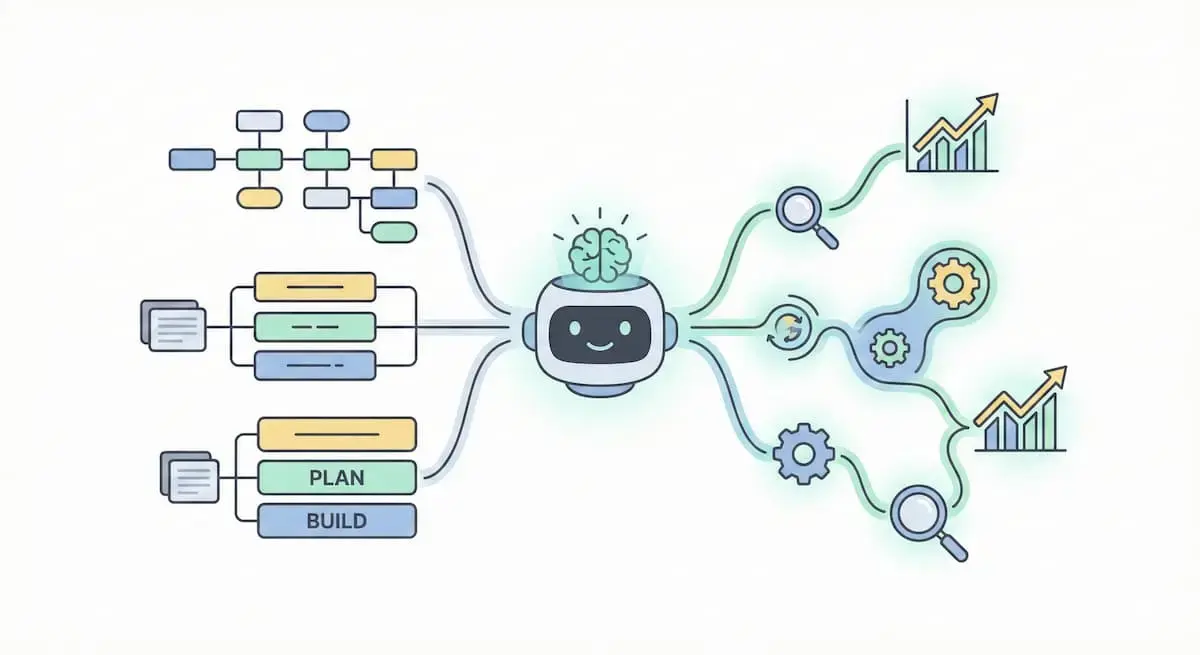
The integration of artificial intelligence disrupts the classic stages of the product cycle. While some methodological frameworks focus solely on structuring ideas or prioritization, AI intervenes at multiple levels, from prototyping to user testing and large-scale feedback collection. This new dynamic opens up fresh possibilities but also creates new coordination challenges for teams.
Traditional frameworks must adapt to this reality where rapid execution takes precedence. AI generates an exponential number of scenarios, hypotheses, and even prototypes, which forces a rethinking of iterative cycle design and how quality control is organized. Moreover, anticipating the impact of each feature takes on a whole new dimension thanks to the predictive analytics offered by these technologies.
A revolution in framework management and selection
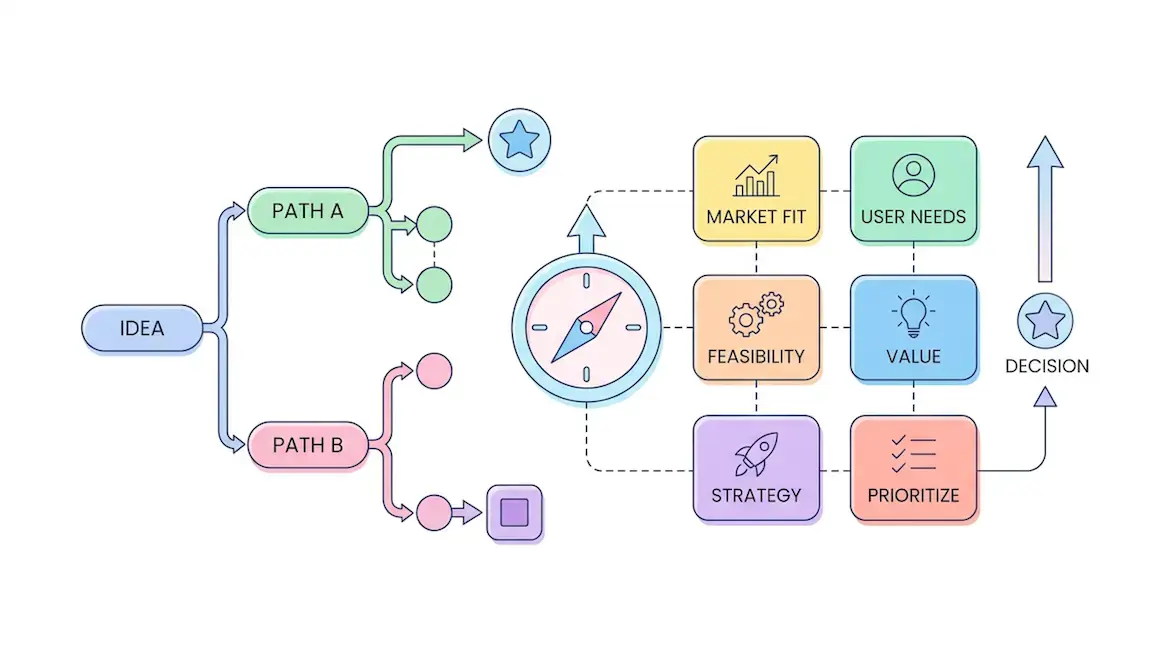
Making a framework effective has never relied solely on theory, but also on its concrete implementation within the product team. The arrival of AI changes not only the nature of the models used but also how they are applied. To quickly filter the right frameworks for each situation, AI-powered tools provide automation and personalized recommendations.
The ability to select the right framework becomes a central challenge. With AI, it is possible to analyze a project context, cross-reference objectives and constraints, and then suggest the most relevant methodological model in seconds. This reduces time spent searching and improves the overall efficiency of product management.
What impact on user experience?
By integrating artificial intelligence into product development, teams access more refined results regarding user experience. For example, AI generates insights from actual behaviors and detects large usage patterns, which increases the relevance of prototyping. This approach accelerates the creation of smooth user journeys adapted to market expectations.
When frameworks are enriched by data from AI, they deliver better effectiveness during co-design workshops or testing phases. Improvements are then made in real time and respond precisely to feedback collected during initial usage.
How does AI influence prioritization?
One of the major tasks in product management is prioritizing features to develop. AI introduces advanced methods here, such as automated risk analysis or predictive models for evaluating a feature's potential impact. Scores assigned no longer depend solely on classic matrices; they take into account more contextual variables.
At each step, AI suggests prioritization alternatives based on market evolution, user feedback, or industry trends. This gain in efficiency allows the PM to react quickly and adjust plans, making decision-making frameworks more robust and dynamic.
From automation to improved product governance
Process automation has held a dominant position since the advent of AI in product management. Automatically generating user stories, synthesizing backlogs, or testing different scenarios significantly accelerates the pace of product development. This automation reduces repetitive tasks and frees up time for strategic analysis.
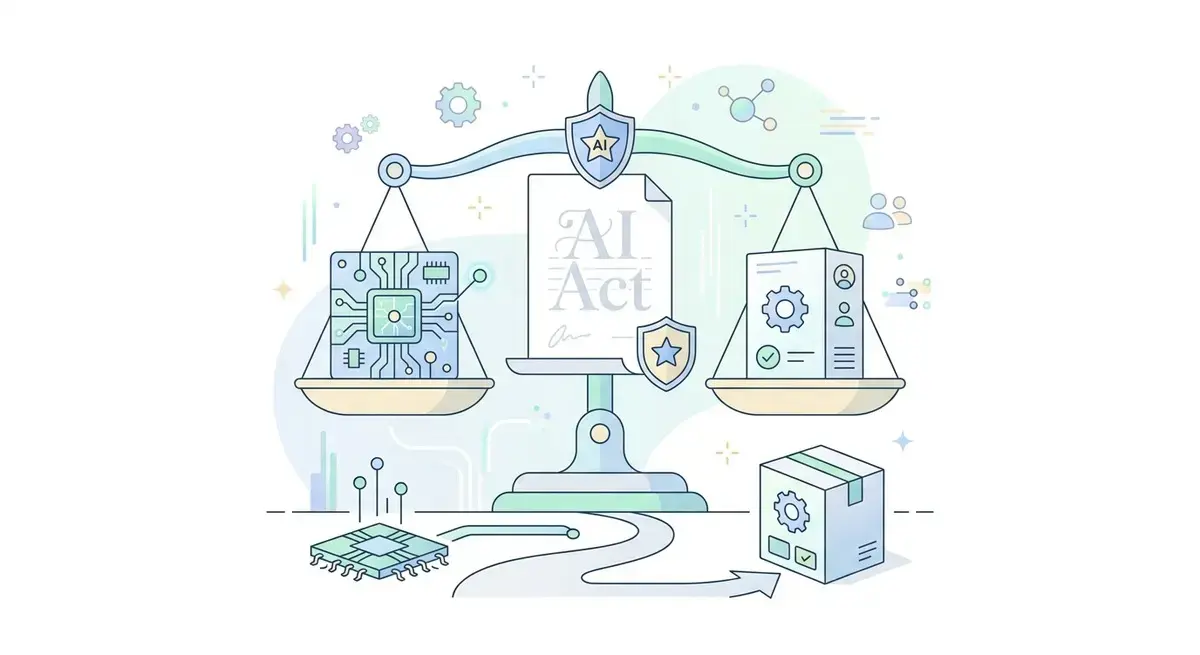
AI governance then emerges as a new methodological pillar. Ensuring transparent monitoring of automated processes, establishing regular algorithmic audits, and guaranteeing responsible data use all become points to integrate into existing frameworks. Enhanced quality control prevents biases and secures collective decision-making.
What challenges for quality and quality control?
Increased reliance on AI fundamentally changes the standards related to deliverable quality. While automation facilitates bug identification and continuous optimization, it also generates new risks: algorithmic errors, model opacity, and reproducibility difficulties. Frameworks must therefore include more advanced verification and human validation steps.
At the same time, regulatory compliance around the data used imposes additional vigilance on product management teams. Implementing checklists specific to AI governance ensures the reliability of proposed solutions and protects the product's long-term reputation.
Benefits of AI-driven automation
Reduced time spent on manual documentation
Improved ticket and incident tracking through automatic detection
Increased product roadmap personalization based on predictive analytics
Assistance with writing and rapid prototyping
Continuous monitoring of user satisfaction through intelligent feedback aggregation
These elements transform not only the product manager's daily workload but also the collaboration patterns and knowledge sharing within the team.
Generative AI and the overhaul of product design
The design and prototyping phase gains clear advantages from generative AI. Finding inspiration, simulating interfaces, creating variants, or generating a complete information architecture now happens instantly. Fully leveraging these capabilities, however, requires significant adaptations in traditional methodological frameworks.
Organizing the creative flow around AI forces a redefinition of each person's role when it comes to validating or rejecting automatic proposals. A new form of human-machine collaboration is emerging, where the product manager's judgment retains unique added value against the growing standardization of certain tasks.
Toward accelerated decision-making?
Generative AI provides a leverage effect on the upstream phases of product development. Generating ten wireframe versions in minutes or obtaining detailed briefs from a text prompt accelerates decision-making speed. The direct consequence is shorter product iteration cycles and faster time-to-market.
The most agile frameworks now integrate these tools to ensure maximum flexibility and adaptability. Their adoption requires carefully orchestrating the alternation between algorithmic suggestions and qualitative feedback from the field.
What impacts on documentation and knowledge sharing?
Effectively documenting each step of the product cycle is a key pillar for maintaining team cohesion and capitalizing on collective learning. AI simplifies and systematizes documentation by pre-filling, analyzing, or automatically categorizing needs and decisions made during Sprint reviews or retrospectives.
Sharing these resources then becomes more natural, as AI-enhanced frameworks facilitate dissemination to the entire team. This information flow helps prevent knowledge loss during team changes or frequent organizational shifts.
Future developments and perspectives for product management
The alliance between artificial intelligence and product frameworks promises many more innovations. The next challenges will move toward extreme method personalization, instantly adapted to the context and objective of the current project. Tomorrow's frameworks will emphasize the human-machine relationship, the explainability of algorithmic choices, and the strengthening of ethical practices within product development.
As technical maturity grows, teams are gradually building a solid foundation of tools and practices based on efficiency, collective trust, and quality. Adapting your own frameworks to this revolution remains the primary lever for ensuring the success of future product launches, in an environment where AI-driven innovation is redefining all the usual benchmarks.