The development of artificial intelligence-based products is profoundly transforming product management. With the upcoming enforcement of the AI Act, a major European regulation to govern AI usage, product managers must adapt to new legal obligations. This evolution brings its share of challenges around regulatory compliance, but also structures the sector by placing product safety at the heart of the conversation.
What is the AI Act and why does it concern product teams?
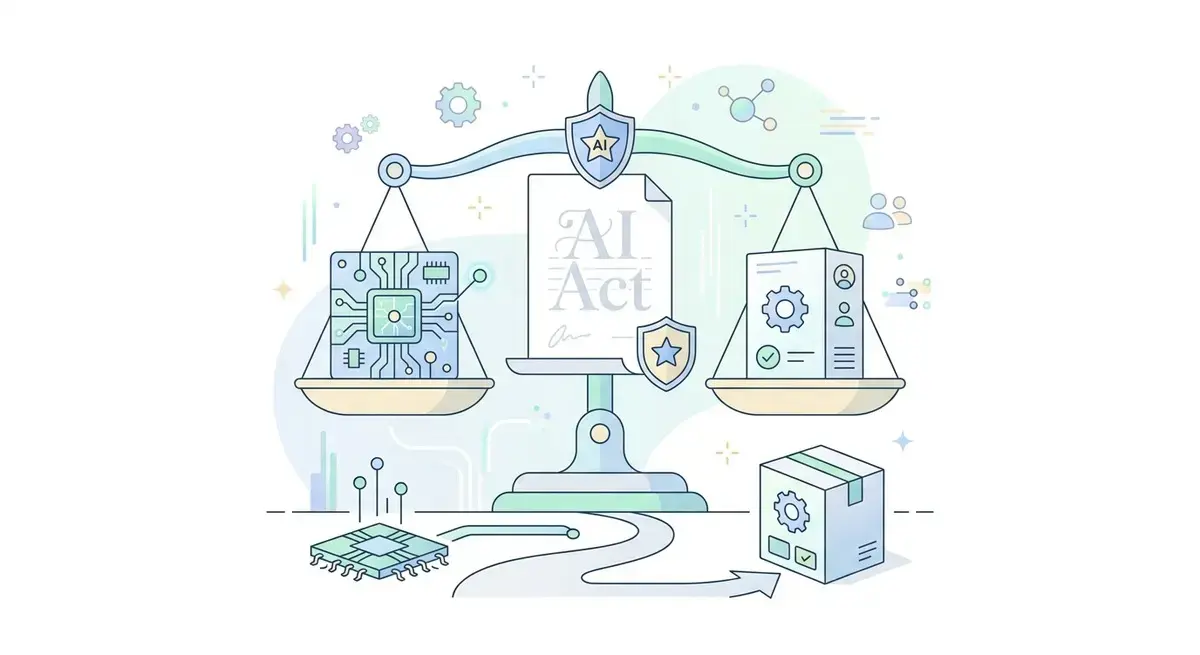
The AI Act is a European regulation that aims to regulate the use of artificial intelligence in products distributed or marketed in Europe. It seeks to establish a common framework, guaranteeing both user safety and transparency in the development of new digital tools. Every product manager involved in AI product development must therefore master this foundational text.
This regulation covers a wide variety of applications, from conversational assistants to automation platforms, while setting categories based on the risk level of developed systems. For product leaders, this means rethinking the AI risk management strategy from the design phase onward, in order to meet all requirements related to regulatory compliance.
How does the AI Act influence risk management and product safety?
One of the main objectives of the AI Act is to reduce technological risks associated with the use of artificial intelligence systems. Product teams are now responsible for integrating high safety standards throughout the lifecycle of AI solutions. This reinforcement requires adopting new practices around AI risk management, as well as documenting every technical or functional choice.
This approach involves systematically evaluating the potential impacts of designed AI features, and ensuring that any flaw can be identified and quickly corrected. Regulatory compliance is not a one-time step; it is rather a continuous process embedded in the very methods of product management within an agile team.
Key legal obligations imposed by the European regulation
The AI Act specifies a set of legal obligations that every stakeholder in AI product development must know. Among them are the traceability of data used to train algorithms, the implementation of internal quality control procedures, and the permanent auditability of results produced by AI systems. In practice, each feature must be able to demonstrate its robustness and compliance with the criteria established by the European regulation.
Particular attention is required when integrating third-party components or during outsourcing, as legal responsibility often falls on the owner of the final product. This fosters close collaboration between product managers, legal teams, and developers to anticipate any blocking point regarding legal obligations.
Structuring initiatives to strengthen AI product safety
Driven by the European regulation, product management is now embracing approaches oriented toward intrinsic product safety. These efforts include, for example, enhanced testing protocols, continuous analysis of unexpected behaviors, and active post-delivery monitoring to detect any algorithmic drift that could impact user safety.
These initiatives go hand in hand with better documentation of how AI models work, intended to prove regulatory compliance during audits. Additionally, certain tools now facilitate tracking code changes that affect product safety, helping establish a culture of rigor and transparency throughout the development process.
What are the challenges for product managers in this evolving context?
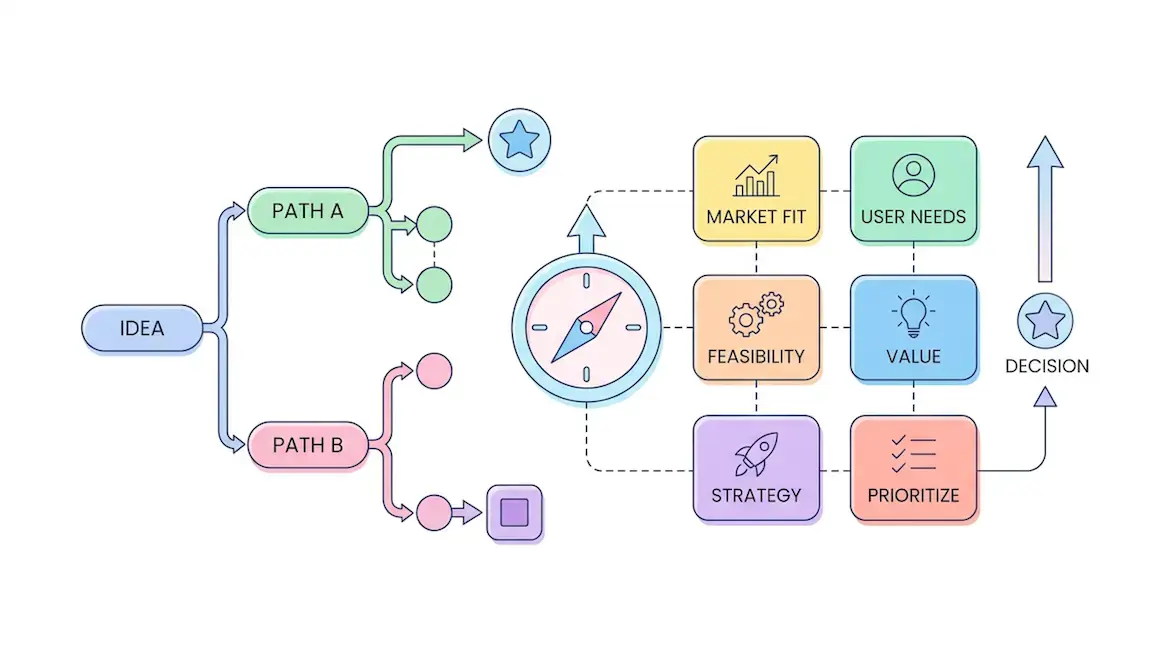
For a product manager, navigating this regulated environment entails several key adaptations. Traditional development cycles would benefit from integrating early on an analysis of the risk level inherent in each artificial intelligence use case. This early diagnosis then helps establish priorities in terms of resources to deploy for meeting regulatory compliance.
At the same time, the ability to communicate the technical provisions of the AI Act to stakeholders becomes central. The product manager then acts as a bridge between technical experts, non-specialist decision-makers, and lawyers so that everyone understands the constraints applicable to their scope. This cross-functional role now structures the management of new AI projects.
Methodological adaptations for managing regulatory compliance
Implementing the AI Act will push teams to revise their dashboards: compliance indicators, risk mapping, centralized documentation. These instruments become as structuring as functional roadmaps or classic backlogs used in product management.
Using dedicated frameworks for AI risk management, integrated into existing workflows, facilitates compliance tracking: risk assessment, maturity scoring, impact simulation. All of these tools bring reliability without excessively burdening agile processes.
New collaborative habits to secure AI product development
Cross-functional cooperation takes on even greater importance. Lawyers, data specialists, and product managers now work hand in hand to organize monitoring of the European regulation or to prepare responses to client audit requests. This encourages daily sharing of experiences and regulatory knowledge.
The team multiplies exchange sessions around product safety, collects incident reports, then continuously adjusts its practices. The product manager becomes the natural facilitator of this collective dynamic, channeling efforts toward a regulatory compliance that is demanding yet value-creating over time.
Best practices for successfully transitioning to the AI Act
Successfully aligning with the European regulation requires above all structuring your processes around a few guiding principles. Regular anticipation and the formalization of responsibilities are the first levers for success. Documentary rigor and proactivity in AI risk management must become part of the DNA of modern product management.
Establish a clear map of legal obligations for each product or feature using artificial intelligence
Involve all key functions from the project scoping phase (data, legal, product) in the regulatory compliance analysis
Conduct regular product safety reviews, including tests, behavioral analyses, and field reports
Centralize documentation related to AI Act compliance: model versions, data sources, test evidence, and audit reports